Technical work on a building is bought discipline by discipline: a facilities contractor, a network contractor, an audiovisual contractor, a landscape contractor, a production supplier. Each is competent in its own field. Each prices a defined scope. Each scope stops at its own boundary.
What no one prices is the boundary itself — the point where one discipline hands something to another and both sides reasonably assume the other is carrying it. Those points are where programmes slip and where the discussion starts after handover, and they are almost never a line item in anybody's bill of quantities.
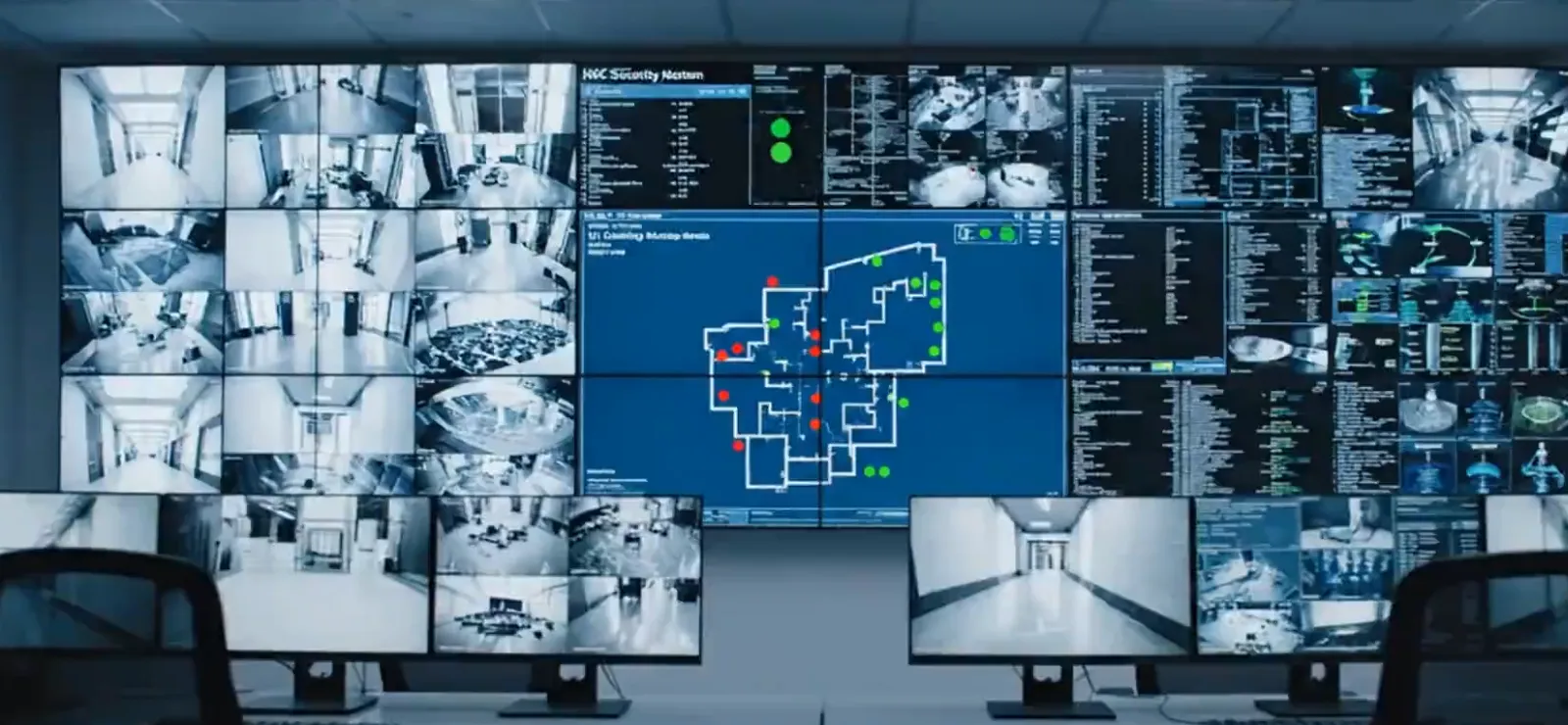
Not every project needs every discipline. Most engagements are led by a single Business Unit, working directly in its field.
When a requirement genuinely crosses disciplines, the Group coordinates the points where those specialist scopes meet — giving clients clearer visibility between technical requirements, delivery activities and operational outcomes, without diluting the expertise behind each solution.
See the five Business UnitsIntegrated delivery is not automatically cheaper and it is not always the right structure. A single-discipline requirement is usually best bought from a single discipline, and there are programmes where a client is right to hold the interfaces themselves. The claim on this page is narrower than that, and it is the part we will stand behind: where work crosses our own disciplines, the joins are designed, commissioned and documented as part of the work rather than discovered afterwards.
The most useful first conversation is usually about the join you are worried about rather than about our capability list. Describe where the work crosses disciplines and we can tell you quickly whether the Group is the right shape for it — including when it is not.